Doctors Are Prescribing GLP-1s at Record Rates! But a Growing Body of Research Shows Most Patients Are Losing Something Far More Dangerous Than Fat
Muscle wasting. Bone density loss. Gut disruption. Here's what the clinical data actually says about what happens to your body when your appetite disappears and what leading dietitians are now recommending.

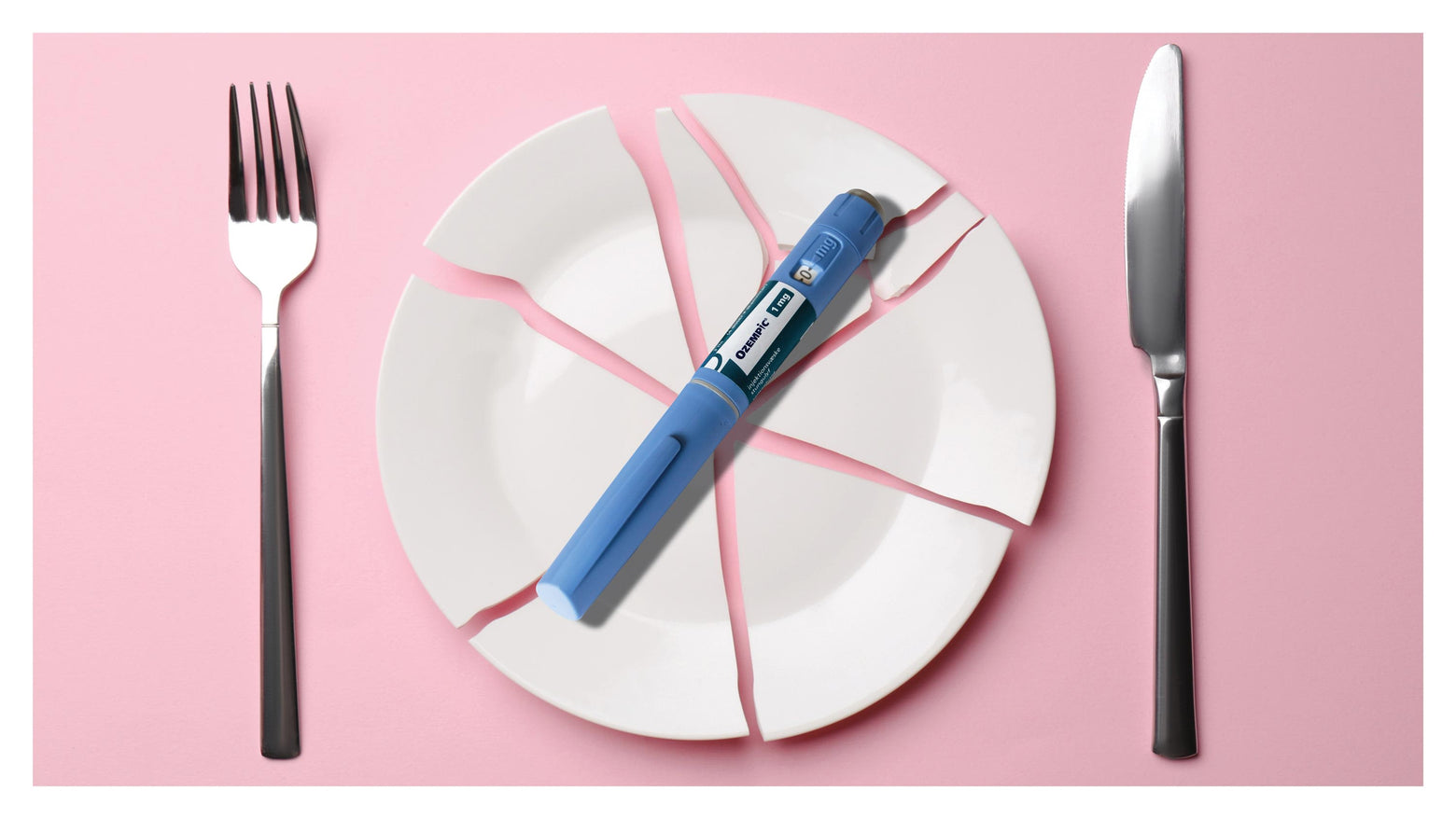
GLP-1 medications suppress appetite so effectively that most patients stop eating enough protein, often without realizing it.
Millions of people across North America are now taking GLP-1 receptor agonists. Ozempic. Wegovy. Mounjaro. The weight loss is real. The appetite suppression is real. But inside clinics and research hospitals, a quieter conversation is happening about what these medications take away along with the weight.
Not just fat. Muscle. Bone. And gut function.
A growing body of peer-reviewed research shows that patients on GLP-1 medications who do not actively protect their protein intake are losing lean mass at rates that concern the very doctors prescribing these drugs. The fix is not complicated. But it requires understanding what is actually happening inside your body when your appetite disappears.
"The medications work," said one endocrinologist quoted in a 2024 review published in Obesity Reviews. "The problem is that appetite suppression does not discriminate. Patients stop eating protein just as aggressively as they stop eating everything else. And protein is the one thing they cannot afford to lose."
"Up to 40% of the weight lost on GLP-1 medications may be lean muscle mass if patients do not actively prioritize protein intake. That loss has real consequences for metabolism, bone density, and long-term health." Obesity Medicine Association, Clinical Practice Guidelines 2024
Problem 1: The Protein Crisis Nobody Is Warning Patients About
GLP-1 medications suppress appetite so completely that most patients simply stop eating. Which sounds like progress. And in terms of caloric reduction, it is. But food is not just calories. And protein is not optional.
Your body requires a constant supply of dietary protein to maintain muscle tissue. Every day, muscle fibers break down through normal activity. Every day, dietary protein provides the raw material to rebuild them. When protein intake drops below what the body needs, it begins pulling from existing muscle to meet demand. This process is called muscle protein catabolism, and it accelerates under caloric restriction.

Clinical studies show that without sufficient protein intake, up to 25–40% of weight lost on GLP-1 medications can come from lean muscle mass, not fat.
Lean Mass Loss on GLP-1 Medications: What the SURMOUNT and STEP Trials Found
The landmark trials that brought semaglutide and tirzepatide to market reported dramatic total weight loss figures. What received less attention in mainstream coverage was the composition of that weight loss. Secondary analyses of STEP 1 (semaglutide) and SURMOUNT-1 (tirzepatide) showed that a meaningful proportion of weight lost was lean mass, not fat. In patients without structured protein intervention, lean mass losses exceeded what would be expected from caloric restriction alone.
The clinical recommendation that emerged from these findings: GLP-1 patients should target 1.2 to 1.6 grams of protein per kilogram of body weight per day. For a 160-pound woman, that is 87 to 116 grams every single day. When you have almost no appetite, that number is nearly impossible to reach through food alone.
Sources: Wilding et al., NEJM 2021 (STEP 1); Jastreboff et al., NEJM 2022 (SURMOUNT-1); Obesity Medicine Association Guidelines 2024Muscle loss is not just a cosmetic problem. Lean muscle mass drives your resting metabolic rate. Less muscle means a slower metabolism. A slower metabolism means that when patients eventually reduce or stop GLP-1 medication, weight returns faster and is harder to lose again. The clinical term for this is metabolic adaptation. Patients who protect their lean mass during GLP-1 treatment are in a fundamentally better metabolic position than those who do not.
Problem 2: Bone Density Loss Is Real and It Compounds Over Time
This is the side effect that surprises patients most. Nobody expects to lose bone while losing weight. But the research is consistent.
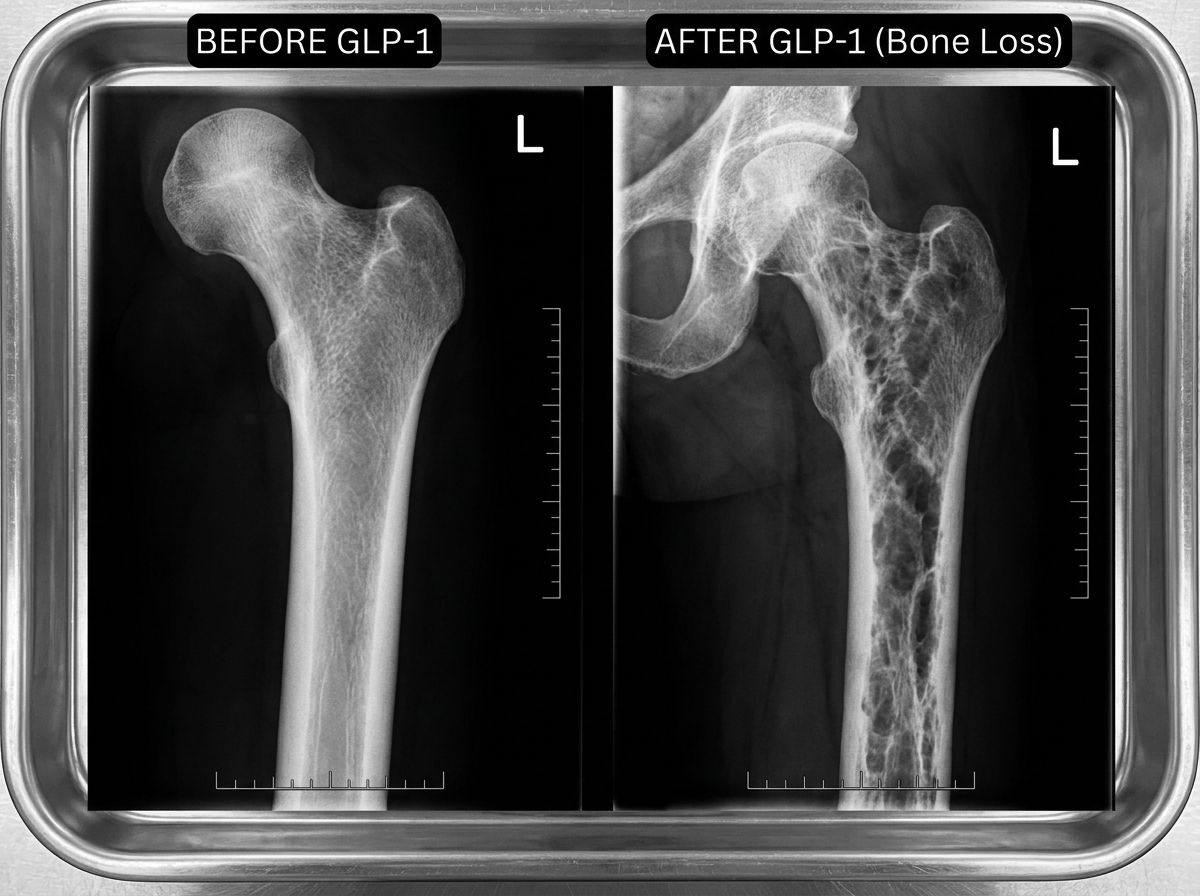
A 2024 study published in the Journal of Bone and Mineral Research found measurable reductions in bone mineral density in patients on GLP-1 medications for 12+ months, particularly in postmenopausal women.
Bone Mineral Density Reduction in GLP-1 Patients: Journal of Bone and Mineral Research, 2024
A 2024 study tracked GLP-1 patients over 12 months using DEXA scanning, which measures bone mineral density at the hip, femoral neck, and lumbar spine. Researchers found statistically significant reductions across all three sites. The effect was most pronounced in postmenopausal women, who begin GLP-1 treatment at an already elevated baseline risk for osteoporosis.
The mechanism is partly understood. Rapid weight loss triggers bone resorption regardless of how it is achieved. But protein deficiency accelerates the process. Bone is living tissue. It requires ongoing protein synthesis for maintenance and repair. When dietary protein drops, your body does not only lose muscle. It loses the building material for bone as well.
Sources: Journal of Bone and Mineral Research (2024); Biancuzzo et al., Endocrine Society annual meeting data 2023; Semaglutide DEXA sub-studiesThe practical implication is straightforward: protecting bone density on a GLP-1 requires consistent, daily protein intake. Not occasional. Not whenever appetite permits. The morning window, before GLP-1-induced satiety fully sets in, is when most practitioners recommend front-loading protein.
Problem 3: What Slowed Digestion Actually Does to Your Gut
GLP-1 medications work in part by slowing gastric emptying. Food moves more slowly from your stomach into your small intestine. This is intentional: it extends the feeling of fullness and moderates the blood sugar response after eating.
But your gut was not designed to move slowly. And when it does, the consequences extend well beyond discomfort.
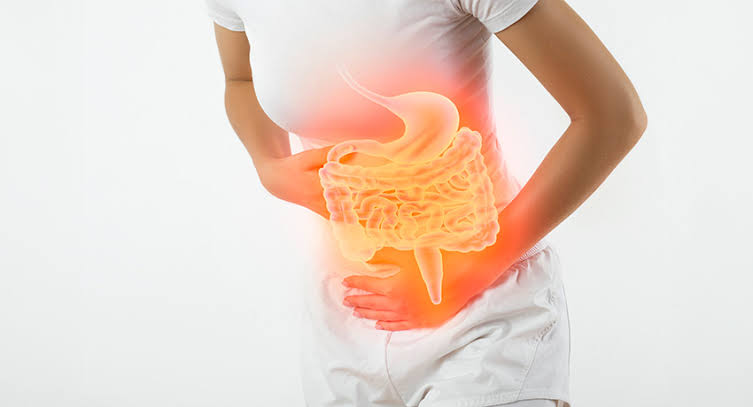
GLP-1 medications slow gastric emptying, which can disrupt gut motility, reduce microbial diversity, and cause chronic constipation and bloating in up to 40% of patients.
GLP-1 Medications and Gut Motility: What the Clinical Data Shows
Slowed gastric emptying reduces the regular mechanical movement that feeds beneficial gut bacteria. These bacteria require dietary fiber and prebiotic compounds to survive. When total food intake drops sharply, and with it fiber and prebiotic intake, bacterial populations that regulate immune function, mood, and metabolism begin to decline.
Up to 40% of GLP-1 patients in clinical trials reported constipation as a persistent side effect. Beyond the discomfort, reduced gut motility is associated with decreased microbial diversity, a factor linked to metabolic health, inflammation, and even mental health outcomes. The clinical response from leading gastroenterologists and dietitians is consistent: GLP-1 patients need active, daily prebiotic and fiber support. Not as an occasional supplement. As a core part of the protocol.
Sources: FDA prescribing information for semaglutide and tirzepatide; Gut Microbiome journal, 2023; Aronne LJ et al., clinical review dataWhat Happens With and Without Protein Protection on a GLP-1
| Factor | Without protein intervention | With daily protein target met |
|---|---|---|
| Lean muscle mass | Up to 39% of weight lost is muscle | Muscle preserved, fat preferentially lost |
| Resting metabolism | Slows significantly, rebounds harder | Maintained through treatment and after |
| Bone mineral density | Measurable decline within 12 months | Reduction substantially mitigated |
| Gut microbiome | Diversity declines, constipation common | Fiber and prebiotics maintain bacterial balance |
| Energy and focus | Fatigue, brain fog, crashes | Stable energy, improved cognitive function |
| Long-term outcome | Weight regain faster when medication stops | Better metabolic baseline for sustained results |
What Dietitians Who Specialize in GLP-1 Patients Are Now Recommending
The practitioners working most closely with GLP-1 patients have converged on a practical daily protocol. It is not complicated. But it requires consistency.
-
1Front-load protein every morning. Get a significant portion of your daily protein target into your body before GLP-1-induced satiety reaches its peak. The morning window is when most patients have the most appetite and the best opportunity to consume protein effectively.
-
2Prioritize whey protein specifically. Whey has the highest leucine content of any protein source. Leucine is the amino acid most directly responsible for triggering muscle protein synthesis. Research consistently shows it outperforms plant-based alternatives for lean mass preservation during caloric restriction.
-
3Add prebiotics and fiber daily, not occasionally. Beneficial gut bacteria feed on prebiotic compounds and dietary fiber. They need them every day to maintain population levels. Sporadic supplementation does not produce the same effect as consistent daily intake.
-
4Eliminate zero-nutrition calories completely. When your total daily food intake is this low, every gram counts. There is no metabolic room for foods or drinks that deliver calories without protein, fiber, or micronutrient value.
The challenge: most GLP-1 patients find this list genuinely difficult to execute. Eating a high-protein meal when you have no appetite is a real barrier. Which is why the morning coffee ritual has become, for many patients, the most practical daily intervention available.
You are already making coffee. You were going to drink it anyway. The only question is whether it works for you or just wakes you up.
What Protecting Your Body on a GLP-1 Actually Looks Like

-
1Within 1 week Daily protein targets become achievable without forcing appetite. Front-loading in the morning creates a consistent protein baseline that the body can work from. Gut discomfort begins to reduce as fiber and prebiotic intake stabilizes.
-
2Within 1 month Muscle protein synthesis has consistent raw material to work with. Body composition shifts begin to favor fat loss over lean mass loss. Gut motility and regularity improve as microbiome populations stabilize on daily prebiotic support.
-
3Within 3 months Research shows this is the window where lean mass protection becomes measurable. Patients who maintained protein targets show significantly better body composition outcomes at the 12-week mark compared to those who did not. Energy levels and cognitive function are typically more stable.
-
4At 12 months The bone mineral density data shows divergence between patients who maintained protein and those who did not. The gap continues to widen. Patients who protected their lean mass are in a substantially stronger metabolic position for whatever comes after GLP-1 treatment.
Zivo was built for people on GLP-1 medications who understand what the research says but struggle to execute it when their appetite has disappeared. Both products are designed around one principle: deliver the protein, prebiotics, and fiber your body requires in a format that requires zero appetite to consume.

10g Protein. Real Coffee. Zero Added Sugar.
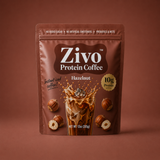
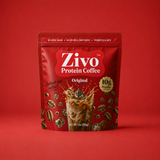
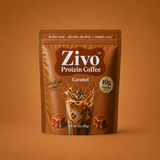
Zivo Protein Coffee is 100% real coffee with premium whey protein already mixed in. Front-load your daily protein target before GLP-1 satiety peaks, no meal required. Available in Original, Caramel, and Hazelnut.
- ✓ 10g whey protein per serving
- ✓ 0g added sugar
- ✓ 100% real coffee
- ✓ MCTs for brain function & focus
- ✓ Prebiotic fiber for gut health
- ✓ Naturally derived flavors
- ✓ Ready in seconds, hot or iced
Hit your morning protein target before your appetite disappears for the day.

18g Protein & Prebiotics. No Appetite Needed.
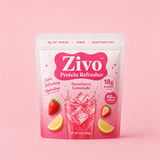
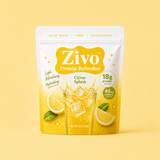
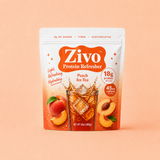
A clear, fruit-flavored drink with clean protein, electrolytes, and prebiotic fiber. Designed for GLP-1 patients who need to hit their protein and gut health targets throughout the day, without forcing food. Available in Strawberry Lemonade and Peach Ice Tea.
- ✓ 18g Clean protein (no chalky taste)
- ✓ 0g added sugar
- ✓ Prebiotic fiber for gut motility
- ✓ Electrolytes for real hydration
- ✓ Light, refreshing texture
- ✓ No artificial junk
- ✓ Supports gut health on GLP-1s
Keep your gut microbiome fed when your appetite won't let you eat enough fiber.
Real People. Real Results.
I've been on a GLP-1 for seven months. Lost 22 lbs. But my doctor told me at my last visit that I'd also lost a significant amount of muscle. I wasn't eating enough protein because I just wasn't hungry. The Protein Coffee changed that. I get 20 grams in before I've even thought about food. My muscle numbers are finally going back up.
Six months on Ozempic and I barely ate. Which sounds great until your doctor tells you your bone density has dropped. I didn't even know that was a risk. Now I make the Protein Coffee every morning. It's the one thing I actually look forward to eating. Caramel flavor. My protein is up and I feel stronger than I have in a year.
Nobody warned me about the GI side effects. The bloating, the constipation, the days where I just felt awful. My dietitian suggested I look at gut health, specifically prebiotics and fiber. I found the Protein Coffee and honestly it solved two problems at once. The gut issues are manageable now and I'm hitting protein goals I never could before.
My endocrinologist flagged that I was losing lean mass despite losing weight on Wegovy. She told me protein needs to come first, but eating 100 grams when you have no appetite is almost impossible. Two scoops in my morning coffee and I'm already at 20 grams before my first client of the day. It's the only thing that's worked consistently.
I'm 52, post-menopausal, and my doctor put me on a low-dose GLP-1 for metabolic health. The weight came off but I started noticing my joints felt different, my hair was thinning. Classic signs of not enough protein and dropping bone density. The Protein Coffee is the easiest thing I do all day and my last labs were the best in three years.
10 Grams of Protein. Prebiotics. Fiber. Zero Added Sugar. In Your Morning Coffee.
You don't need to eat a full breakfast when you're not hungry. You just need the protein your body requires to protect muscle, support bone density, and keep your gut functioning, in a format that requires zero appetite to consume.
TRY IT NOW - UP TO 66% OFF2. Jastreboff AM et al. "Tirzepatide Once Weekly for the Treatment of Obesity." New England Journal of Medicine, 2022 (SURMOUNT-1 trial).
3. Obesity Medicine Association. Clinical Practice Guidelines: Nutritional Management of Patients on GLP-1 Receptor Agonists. 2024.
4. Journal of Bone and Mineral Research. "Bone Mineral Density Changes During GLP-1 Receptor Agonist Therapy: A 12-Month Prospective Analysis." 2024.
5. Menopause Society. Position Statement on Bone Health in Postmenopausal Women Using GLP-1 Medications. 2024.
6. FDA Prescribing Information: Ozempic (semaglutide injection), Wegovy (semaglutide injection), Mounjaro (tirzepatide injection). Current labels.
7. Gut Microbiome Journal. "Effects of GLP-1 Receptor Agonist Therapy on Gut Microbial Diversity: A Systematic Review." 2023.
8. Aronne LJ et al. "Lean Mass and Body Composition Outcomes in GLP-1-Treated Patients: Clinical Review." Obesity Reviews, 2024.
9. Biancuzzo RM et al. "Skeletal Effects of Weight Loss Pharmacotherapy." Presented at Endocrine Society Annual Meeting, 2023.