Harvard Researchers Tracked 120,000 Americans and Canadians for 30 Years And Found the #1 Driver of Weight Gain Has Nothing to Do With Food
The average North American drinks their way to 25 extra pounds every year. Here's what the science says happens when you stop and what's making it so hard to quit.

If you've ever wondered why you gain weight without overeating, or why cravings hit hardest in the afternoon, a landmark study from Harvard T.H. Chan School of Public Health may have the answer. And it has nothing to do with willpower.
Researchers tracked more than 120,000 men and women for over three decades and found one dietary habit more predictive of weight gain, type 2 diabetes, and premature death than almost any other: the daily consumption of sugar-sweetened beverages.
"The problem isn't just awareness," said lead researcher Dr. Vasanti Malik of Harvard and the University of Toronto. "High consumption of sugar-sweetened beverages is one of the single most modifiable drivers of obesity and metabolic disease in North America."
"If you drink just one sugary drink every day without cutting back elsewhere, you could gain up to 25 pounds in a single year and up to 50 pounds over a decade." Harvard T.H. Chan School of Public Health, The Nutrition Source
What 30 Years of Harvard Research Actually Found
The study, published in Circulation and drawing on data from over 110,000 participants, is one of the most comprehensive analyses of beverage consumption ever conducted. The findings were stark.
Sugar-Sweetened Beverages and Risk of Mortality - Harvard-Led Study, Circulation (2019)
Participants who consumed the most sugary drinks had the highest risk of death from any cause during the study period. The more beverages consumed, the steeper the risk curve. Researchers found links to cardiovascular disease, type 2 diabetes, and several metabolic conditions.
A separate meta-analysis led by Harvard and the University of Toronto, the largest of its kind, reviewed dozens of studies covering over 200,000 participants and confirmed: sugar-sweetened beverages promote weight gain in both children and adults.
Sources: Malik VS et al., Harvard T.H. Chan School of Public Health; American Journal of Clinical Nutrition (2023); Circulation (2019)How Much Sugar Are North Americans Actually Drinking?
Most people dramatically underestimate their daily sugar intake from beverages alone. The numbers from official health bodies are alarming:
| Benchmark | United States | Canada |
|---|---|---|
| Average daily sugar intake | 126g / ~30 tsp | 110g / ~26 tsp |
| WHO recommended daily limit | 25g / ~6 tsp | 25g / ~6 tsp |
| How much over the limit | 5x over | 4.4x over |
| Adults drinking SSBs daily | ~2 in 3 adults | 65% want to cut back |
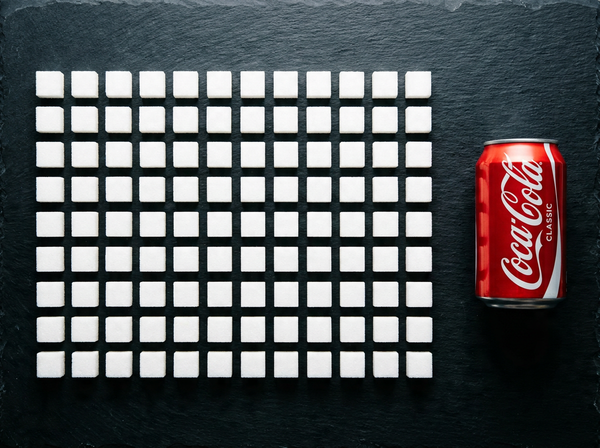
| Average can of soda (sugar) | 40g, already 60% over the WHO daily limit | |
Sources: WHO Global Sugar Guidelines; Statistics Canada; Heart & Stroke Foundation Canada (Feb 2023); American Heart Association; CDC National Health Interview Survey
What Happens to Your Body When You Cut Out Sugary Drinks
The research doesn't just document the damage. It also maps what happens when people reduce their intake. The results are faster than most expect.

-
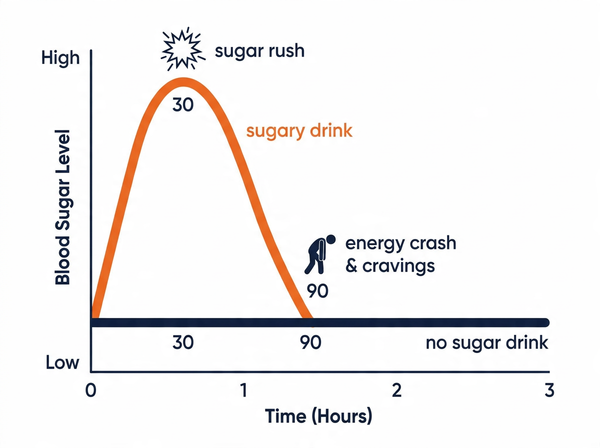
1Within 1 week Blood sugar levels begin to stabilize. Afternoon energy crashes reduce. Harvard researchers noted that fructose from beverages spikes insulin faster than almost any other food source, and removing it has an almost immediate metabolic effect.
-
2Within 1 month Dopaminergic reward pathways begin to reset. Studies show SSBs activate the brain's addiction circuitry, and reducing intake lowers cravings for sweet tastes across the board, not just beverages.
-
3Within 3 months The Harvard/Toronto meta-analysis found that each 12oz serving removed from the daily diet was linked to 0.20kg lower body weight over one year. At 3 months, measurable reductions in belly fat and improved insulin sensitivity are commonly reported.
-
4Within 1 year Up to 25 lbs of weight loss attributed to beverages alone (Harvard Nutrition Source). Risk markers for type 2 diabetes, cardiovascular disease, and metabolic syndrome all improve significantly.
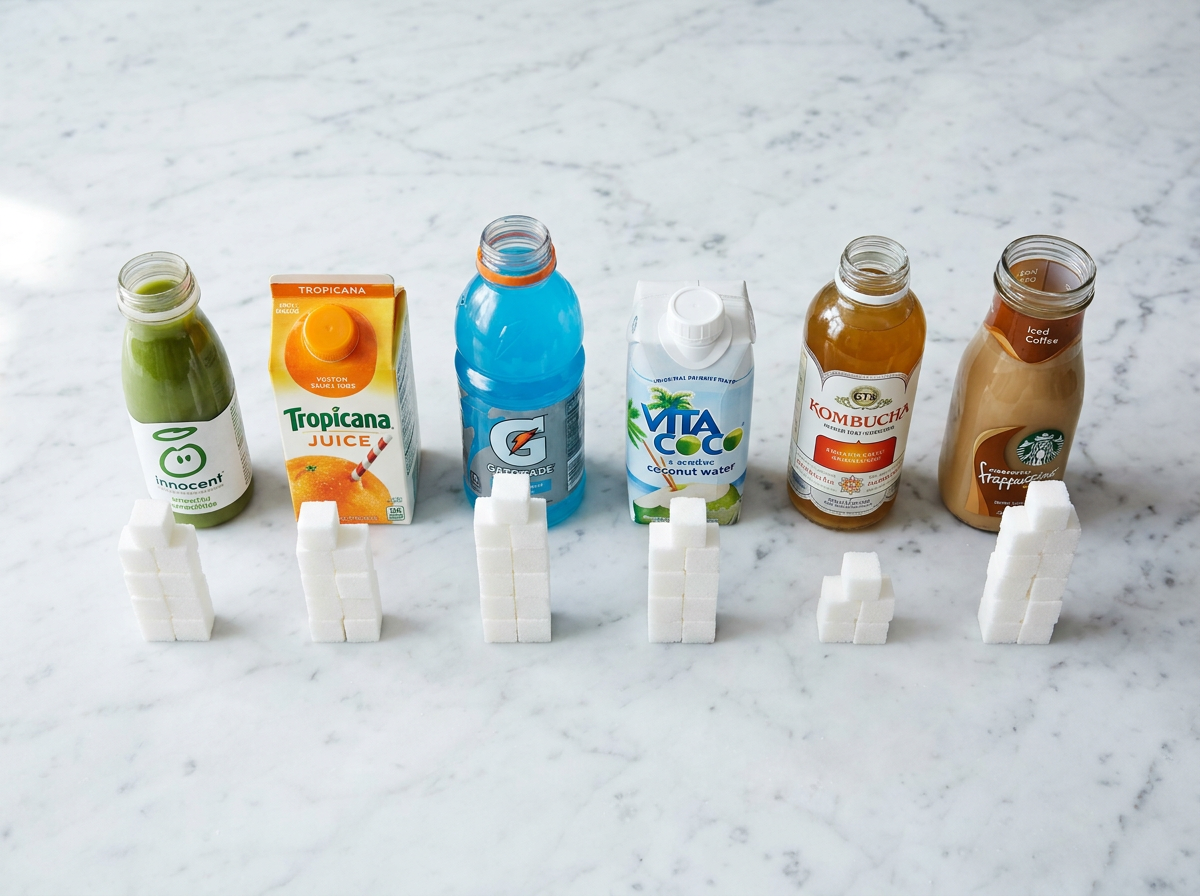
The Hidden Problem: Most "Healthy" Drinks Are Just as Bad
One of the most consistent findings across all Harvard and CDC studies: people don't just undercount soda. They dramatically undercount all sugary beverages, including ones marketed as healthy.
What counts as a sugar-sweetened beverage?
According to the CDC, SSBs include: regular sodas, fruit drinks and punches, sports drinks, energy drinks, sweetened coffees and teas, flavored waters with added sugar, vitamin waters, and lemonades. Fruit juice, even 100% juice, is not exempt from the metabolic effects of liquid sugar.
The CDC's National Health Interview Survey found approximately two-thirds of U.S. adults consume at least one sugary drink every single day. In certain states, that figure exceeds 70%.
Source: CDC Division of Nutrition, Physical Activity, and Obesity (DNPAO); Preventing Chronic Disease (2021)What Leading Health Organizations Say
The consensus across every major North American and global health body is now unambiguous:
- WHO: Recommends limiting free sugars to under 25g/day. Calls sugar-sweetened beverages "a major contributor to the global obesity epidemic." Supports taxation of SSBs as a public health intervention.
- Harvard T.H. Chan School of Public Health: "Strong evidence indicates that our rising thirst for liquid calories is a key driver of the obesity and type 2 diabetes epidemic."
- Health Canada: Updated food guidelines specifically identify SSBs as a primary dietary target for reduction, replacing them with water as the beverage of choice.
- American Heart Association: Recommends no more than 36g added sugar/day for men and 24g for women. A single can of regular soda exceeds both limits.
- Heart & Stroke Foundation of Canada: "Up to 80% of early heart disease and strokes can be prevented through healthy behaviours, and reducing sugar is at the top of the list."
What About Your Morning Coffee? Most People Don't Count That Either
The research above focuses heavily on sodas and energy drinks, but there's a category most health-conscious people overlook entirely: their daily coffee order.
A standard Starbucks Caramel Frappuccino contains 54g of sugar, more than double the WHO's entire daily limit in a single cup. Even a "simple" iced latte from most chains comes pre-sweetened, often with flavored syrups adding 20-30g of hidden sugar.
What's Actually in Your Morning Routine?
Most people tracking their sugar intake forget to include coffee entirely. Yet for millions of North Americans, the morning coffee run is their largest single source of added sugar, before lunch.
Flavored lattes, bottled iced coffees, and sweetened cold brews can deliver between 25-65g of sugar per serving. That's before you've eaten a single meal. Even "light" versions often contain 20g+ from syrups and sweetened creamers.
Source: USDA FoodData Central; Starbucks & major chain nutritional data; Harvard Nutrition Source on liquid sugar| Drink | Sugar Content | vs. WHO Daily Limit |
|---|---|---|
| Starbucks Caramel Frappuccino (grande) | 54g | 216% over limit |
| Dunkin' Caramel Iced Coffee (medium) | 45g | 180% over limit |
| Bottled Starbucks Frappuccino | 32g | 128% over limit |
| Sweetened Cold Brew (retail) | 25-30g | 100-120% over limit |
| Zivo Protein Coffee | 0g added sugar | ✓ Zero |
Zivo was designed for people who read articles like this one and want to act on them without giving up the drinks they love. Both products are built around one principle: zero added sugar, real flavor, and a reason to stay consistent.

Real Coffee. Zero Sugar. Built-In Protein.
Zivo Protein Coffee is 100% real coffee with premium whey protein already mixed in. No artificial base, no compromise on taste. Available in Original, Caramel, and Hazelnut.
- ✓ 0g added sugar
- ✓ 100% real coffee
- ✓ High-quality whey protein
- ✓ MCTs for brain function & focus
- ✓ Prebiotic fiber for gut health
- ✓ Naturally derived flavors
- ✓ Ready in seconds, hot or iced
Replaces your daily sugary coffee order without feeling like a downgrade.

The Sugar-Free Answer to Sports Drinks & Sodas
The Protein Refresher is a clear, fruit-flavored drink with clean protein. It's the direct alternative to the energy drinks, flavored waters, and sugary sodas that make up so many people's afternoon routine. Available in Strawberry Lemonade and Peach Ice Tea.
- ✓ 0g added sugar
- ✓ Clear whey protein (no chalky taste)
- ✓ Electrolytes for real hydration
- ✓ Prebiotic fiber for gut health & debloating
- ✓ Light, refreshing texture
- ✓ No artificial junk
- ✓ Perfect afternoon soda replacement
Gives you the cold, flavored drink your brain wants without the metabolic cost.
Real People, Real Results
I didn't realize how much sugar I was drinking until I actually added it up. Two Starbucks a week, a Gatorade after the gym, juice with breakfast. I was already at my weekly limit before lunch on Monday. Switched to the Protein Coffee three weeks ago and the afternoon crashes are just gone. Down 8 lbs and I haven't changed anything else.

I work in fitness and I was still drinking a sweetened cold brew every morning without thinking twice. 30 grams of sugar before my first client. The Protein Coffee tastes genuinely good, not like a compromise. Caramel flavor is my go-to. I recommend it to clients now who are trying to clean up their diet without overhauling everything at once.

I used to go through two or three energy drinks a day working from home. Just kind of happened. Read about the dopamine loop thing in an article and it clicked immediately. I wasn't tired, I was just addicted to the sugar cycle. Been on the Protein Coffee for six weeks. Better focus, no crashes, and I actually sleep now. Didn't expect that last part.

My doctor flagged my blood sugar two years ago and I kept saying I'd cut back. I just didn't realize how much of it was coming from drinks, not food. The Refresher replaced my afternoon Coke habit. Three months in, my last checkup was the best numbers I've had in five years. My doctor actually asked what I changed.

At my age I notice everything more, the bloating, the energy dips, the weight that just sits there. I was skeptical honestly. But the Refresher is the first sugar-free drink I've had that doesn't taste chemical or leave that weird aftertaste. My gut feels noticeably better and I've lost 6 lbs in 5 weeks. I order two bags at a time now.

Start Replacing Sugary Drinks Today Without the Cravings
Backed by the same science. Designed for people who've tried to quit sugar before and found it harder than expected.
TRY IT NOW WITH UP TO 43%2. Malik VS et al. "Sugar-Sweetened Beverages and Risk of Metabolic Syndrome and Type 2 Diabetes." Diabetes Care, 2010. Harvard School of Public Health.
3. Malik VS, Hu FB et al. Harvard-led meta-analysis, American Journal of Clinical Nutrition, 2023. University of Toronto & Harvard.
4. Harvard Health Publishing - "Want to live longer? Rethink sugary drink consumption." Circulation, 2019. health.harvard.edu
5. CDC Fast Facts: Sugar-Sweetened Beverage Consumption. cdc.gov
6. CDC Prevalence of SSB Intake Among US Adults, 50 States. Preventing Chronic Disease, 2021.
7. CDC State of Obesity 2024. cdc.gov/obesity
8. World Health Organization - Guideline: Sugars Intake for Adults and Children. Geneva, 2015. who.int
9. Heart & Stroke Foundation of Canada - Sugar Consumption Data, February 2023. heartandstroke.ca
10. Statistics Canada - Canadian Community Health Survey, Nutrition 2015; Sugar Consumption Trend Data.
11. American Heart Association - Added Sugars Recommendations. heart.org